Simple Energy-Saving Strategies That Lower Your Bills in the UK
Published February 2, 2026
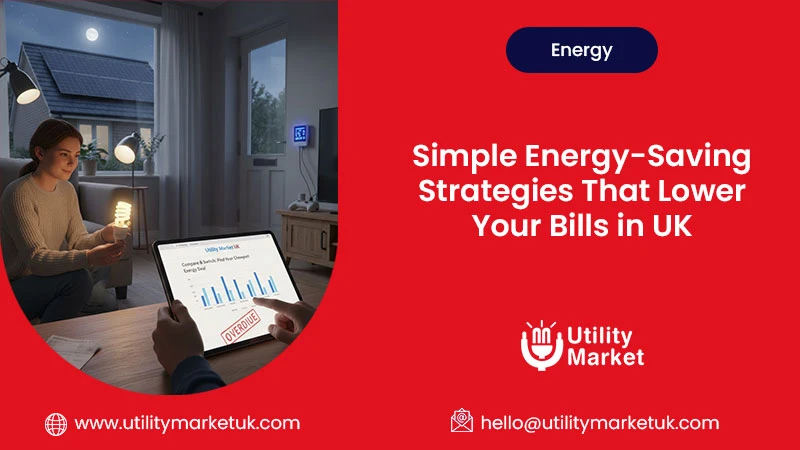
Are your quarterly electricity bills causing you stress? You’re not alone. Many households are trying to reduce electricity bills in the UK as the cost-of-living crisis continues to impact homes across the country, and instead of just accepting it, we need to think about how we can pull our belts in and start saving wherever we can.
Changing energy retailers is a definite way to cut costs, but there are a few other tips and tricks that you can use before you get to that point to help cut down your electricity bills. Let’s take a look.
Understanding the average cost of electricity
Before you move on to all the tips and tricks in this article on how to reduce your electricity bills, you need to understand the average cost of electricity per household. This difference varies due to several reasons such as the network and the plans offered, and we have covered this in detail when we spoke about the average cost of electricity in the UK.
You can check your electricity bill to understand your consumption level and whether you are being billed for actual consumption or estimated consumption. You can also let your electricity provider know your current meter readings so that you receive an exact bill.
How to reduce your electricity bill
We have gathered all the tips and tricks that we could think of to help you cut your bills so that you can save energy and money at the same time.
Compare electricity suppliers
The first and best way to cut your electric bills is to find out if you are with the right supplier to start with. If you are already paying too much now, you might be able to cut your bills by switching.
Electricity is not a set and forget service like water; it is a competitive market with many suppliers who trade various deals, packages, and rewards. Switching to the cheapest energy supplier may mean big savings. The difference between the cheapest and most expensive energy plans available in your area could be huge. When looking for plans online, choose plans that are lower than the reference price.
Replace your light bulbs
Replacing your light bulbs with energy-saving bulbs is an easy and cost-effective way to lower your electricity bills. Incandescent bulbs consume more energy and have a shorter lifespan than light-emitting diodes (LEDs).
LED light bulbs consume 80-90% less energy, weigh less, and have a lifespan of 10 or 20 times longer than incandescent bulbs. Some companies also provide free LEDs with new customer purchases.
How you can lower your electricity bill
Using LED light bulbs can lower your electricity bills because of their energy efficiency and longer lifespan. LEDs consume 80% less energy than incandescent bulbs and have a lifespan of 25,000 hours, compared to 1,000 hours for incandescent bulbs.
Go solar
While it is a cost that you will incur at the start, there are a few benefits to installing solar panels. If you are considering solar power for your home, there are a number of factors that you will need to take into consideration, including selecting the right home solar power system, selecting the right size of solar panels, selecting the right solar panel installer, and selecting the right electricity plan for solar power users.
Check for electricity rebates
In some states, federal government energy bill relief payments are not delayed. There are a number of rebates that have been set up with different needs in mind for consumers, but it is a good idea to check with your state to see what is available to you.
Compare providers for the best deal
Now that you know how to lower your current electric bill and how to save on electricity, why not give the Utility Market team a call? We will help you switch to a new provider and get the best deal possible. If you’re ready to take control of your energy costs, comparing providers is one of the easiest ways to reduce electricity bills in the UK today.